




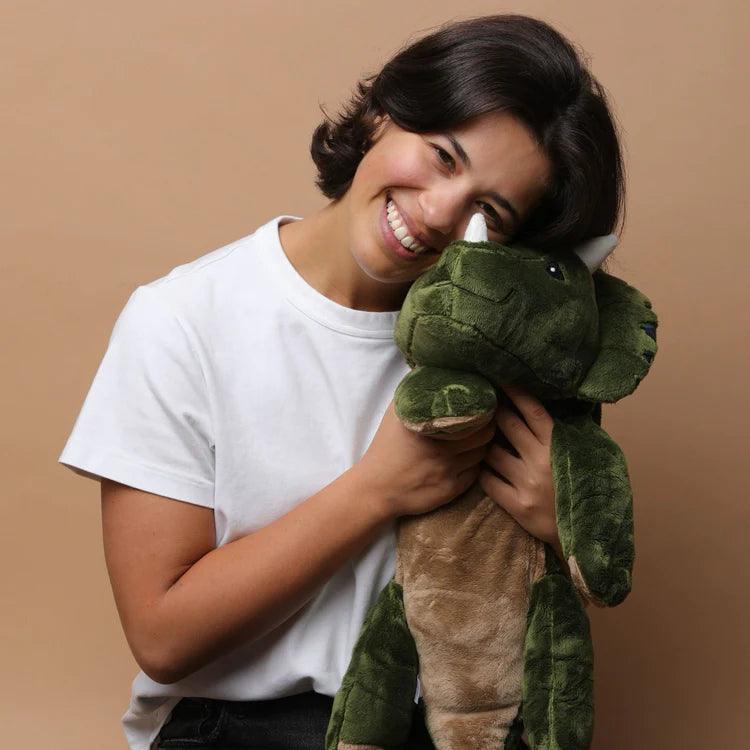
Stuffed animals hold a special place in many hearts — whether they're treasured childhood friends or thoughtful gifts. Because they're hugged, carried, and slept with, they gather dust, dirt, and germs over time, so knowing how to clean them properly keeps them safe and hygienic. Here is Brease's simple, step-by-step guide.
Check the Material First
Before you start, check what your stuffed animal is made of. Cotton, polyester, foam, and plush can each behave differently when cleaned. Read the care label or manufacturer's instructions if they're available. If they're not, test any cleaning solution on a small, hidden area first to make sure it won't damage the fabric or colour.
Spot Cleaning Is the Best Method
To maintain the appearance and durability of your stuffed animal, wash it as little as possible — a damp cloth for spot cleaning is enough in most cases. Dampen a soft cloth or sponge with a little mild detergent and water, then gently dab away marks and dirty patches. Work from the outside of the stain inwards so it doesn't spread, and avoid soaking the toy. Wipe the area with a cloth dampened in clean water to lift any leftover detergent, then let it dry.
Because it doesn't saturate the toy or its filling, spot cleaning is gentle enough to use as often as needed and is the safest way to keep a plush companion fresh.
Machine Washing — Only When Really Necessary
Note: we still do not recommend machine washing, as it may alter the toy's appearance — the fabric can look noticeably different afterwards, any filling may feel firmer and slightly clumpy, and the fur may appear less soft. It will still be clean, hygienic, and comfortable to use — it just may not look exactly as before. If machine washing is necessary — for example after an accident like vomit or pee — protect the toy: place it inside a fine-mesh zipped wash bag to shield the seams and surface from the drum, wash at 60°C with a detergent for coloured fabrics, and avoid bleach. If your water is very hard, a little fabric softener is fine. Importantly, turn off the spin cycle: spinning strains the seams and can clump or shift the filling.
Drying: Warm Surface, Never the Tumble Dryer
Never use a tumble dryer — the heat can shrink the fabric and damage the toy. Instead, gently press out excess water without wringing, reshape the toy, and dry it quickly on a warm surface, such as a radiator, to avoid damp and odour problems. Once it's completely dry, brush the fur gently with a stiff brush (a nylon brush works well) to loosen any matted areas — go carefully so the bristles don't catch the threads around the seams, and the coat can look almost like new. If the filling feels firmer or clumpy, massage the body gently to loosen and redistribute it.
Keeping It Hygienic
A 60°C machine wash — in a wash bag, with the spin cycle off — is the most effective way to keep a plush toy hygienic, for example after an illness. We don't recommend disinfectant sprays or household remedies like vinegar on stuffed animals, as they can damage or discolour the fabric and the filling inside. If you're ever in doubt about how to clean your Brease companion, contact us at support@breaseworld.com — we're happy to help.
Conclusion
Cleaning stuffed animals is easy with the right care: spot clean whenever you can, and when a full wash is truly needed, use a wash bag, wash at 60°C with a colour detergent, turn off the spin cycle, and dry on a warm surface rather than in the tumble dryer. Finish with a gentle brush and a massage of the filling, and your Brease weighted stuffed animals will stay clean, safe, and comforting for years to come.

Commenta
Questo sito è protetto da hCaptcha e applica le Norme sulla privacy e i Termini di servizio di hCaptcha.